


Roof Inspection Checklist for Northwest Ohio Homeowners in Toledo, OH
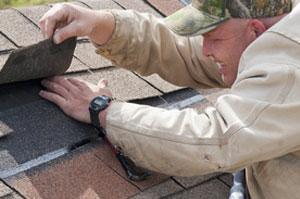 Northwest Ohio weather can be tough on roofs. If you live in Toledo or nearby suburbs like Sylvania, Maumee, Perrysburg, or Oregon, a professional checkup helps catch small problems before they become big leaks. Use this guide to understand what licensed inspectors look for, why timing matters, and how local climate shapes roof wear. When you are ready to book, schedule a professional roof inspection with Absolute Quality Roofing and get clear next steps for your home.
Why Professional Roof Inspections Matter in Toledo, OH
Homes around Toledo face wind off Lake Erie, spring hail, summer downpours, and freeze-thaw cycles that work water into seams. An inspection gives you a current health report on shingles, flashing, ventilation, and drainage. That means fewer surprises during storms and more control over maintenance planning.
Do not walk your own roof. Slopes, wet shingles, and algae make footing unpredictable. A trained inspector has the safety gear, the experience to spot subtle defects, and a process that protects both your home and your family.
When To Schedule a Roof Inspection in Northwest Ohio
Timing is everything. Inspectors often recommend seasonal checkups that match our weather rhythm and common storm patterns in Lucas and Wood Counties. Here is what tends to work well for many Toledo homes:
- Spring: After winter snow and ice, inspectors evaluate shingles, flashing, and gutters for stress or ice-dam effects before heavy spring rains.
- Late Summer or Early Fall: Before leaf drop and winter storms, a review helps ensure your roof system sheds water and vents heat properly.
- After Severe Weather: High winds or hail can bruise shingles and loosen flashing even if you do not see missing tabs from the street.
If you are researching roof inspection Toledo OH options, starting with a local, trusted team keeps the timeline quick and the advice specific to our climate.
What a Professional Looks For: Exterior Checklist
An inspection is a structured, ground-to-eave review that stays off fragile areas unless needed. Here is what pros evaluate outside, section by section:
- Shingle Surface: Loss of protective granules, cracks, lifted tabs, nail pops, or blistering from heat buildup.
- Ridge and Hips: Cap shingles for cracking, wind lift, and proper fastening along the highest stress lines.
- Flashing and Transitions: Step flashing at sidewalls, counterflashing at chimneys, and metal around vents for corrosion, gaps, or sealant failure.
- Penetrations: Pipe boots, skylights, and satellite mounts for cracked gaskets, poor fasteners, or aging sealants.
- Gutter System: Alignment, secure hangers, slope to downspouts, and signs of overflow staining on fascia and siding. For drainage upgrades or fixes, your inspector may recommend specialized service like gutter installation and repair.
- Soffits and Fascia: Moisture staining, soft spots, or wildlife damage that hint at ventilation or water-entry concerns.
- Edges and Eaves: Drip edge integrity and starter courses that keep wind-driven rain from wicking beneath shingles.
Minor surface wear can hide deeper issues. A trained eye reads patterns like cupping, streaking, or granule loss to trace underlying causes such as heat, moisture, or fastening problems.
What a Professional Looks For: Attic and Interior Checklist
True roof health shows up inside the home as much as on top. Inspectors spend meaningful time in the attic, because what happens there affects shingle life and indoor comfort:
Attic and interior checks include:
- Ventilation Airflow: Clear intake at soffits and free exhaust at ridge or roof vents for steady temperature and moisture control.
- Insulation Condition: Even coverage without blocking vents; signs of dampness that suggest condensation or roof leaks.
- Decking and Framing: Dark staining, delamination, or soft spots that point to past or active leaks around fasteners or seams.
- Ceilings and Walls Below: Water rings, peeling paint, or musty odors that may trace back to roof penetrations or flashing.
Warm, moist indoor air that gets trapped in the attic shortens shingle life. Balanced ventilation is a key item on every professional checklist.
Seasonal Risks in Toledo Neighborhoods
From Ottawa Hills to the Old West End and Point Place, roof stress varies by tree cover, proximity to the lake, and home age. Older districts with steep slate or multi-layer shingle histories may require closer flashing and decking reviews. Lake-facing areas often see stronger gusts and drifting snow that test ridge vents and hip caps. Suburbs with mature maples and oaks collect leaves in valleys and gutters, which can send water backward under shingles during fall storms.
Local insight: Along the Maumee River and near Lake Erie, quick thaws followed by cold snaps can form ice along eaves. Keeping ventilation balanced and drainage pathways clear helps your roof shed water instead of trapping it behind ice.
After Severe Weather: What To Expect From an Inspection
Winds from June storms and late-spring hail can bruise shingles without tearing them. A professional inspection documents any storm-related issues with photos and a written summary. If repairs are recommended, they will explain which items are urgent to protect the home and which can be monitored over time.
During this visit, you might also discuss protective upgrades. For example, homes that struggle with winter icicles or attic frost can benefit from improvements outlined in our ice dam prevention services. Addressing root causes, not just symptoms, is the goal.
Your Roof Inspection Checklist: What Pros Evaluate
Use this homeowner-friendly version of a professional checklist to understand what will be covered during an appointment. It is designed to inform you, not to instruct do-it-yourself work.
Core categories inspectors cover include:
- Overall Roof Condition: Age indicators, previous patchwork, and areas prone to wind lift.
- Water-Shedding Pathways: From valleys to gutters and downspouts, every drop needs a clear route away from the foundation.
- Penetrations and Flashing: Chimneys, skylights, vents, and satellite stand-offs checked for snug fit and watertight seams.
- Perimeter Protection: Drip edges, starter rows, and rake details that prevent wind-driven rain from intruding.
- Attic Health: Ventilation balance, insulation condition, and any signs of condensation or deck staining.
- Safety and Code Observations: General notes about attachment quality and materials that affect durability and weather performance.
Documentation matters. Expect clear notes, images, and straightforward language so you can make confident decisions about maintenance or repairs.
How Often Is “Enough” for Toledo Homes?
Age, roof type, and exposure guide the schedule. Many Northwest Ohio homeowners are well served by a professional inspection every one to three years, with extra visits after notable storms. Shaded roofs with frequent leaf buildup may warrant more frequent checks because trapped moisture accelerates wear on shingles and decking.
Homes with added features like skylights or complex valleys also benefit from routine attention. If your roof includes decorative dormers or several penetrations, your inspector will spend added time on those transitions where small gaps can let water travel.
What Happens if the Inspector Finds Issues?
Findings usually fall into three buckets: urgent repairs to stop active leaks, preventive repairs to extend service life, and watch items to monitor during future visits. If shingles are torn or flashing is loose, addressing those items quickly helps avoid interior damage. When gutters are overflowing or poorly sloped, improving drainage keeps water from backing up under the eaves.
Some homes need section-by-section shingle work or selective flashing updates well before a full replacement. If your report suggests structural or ventilation corrections, it is about protecting the roof you already have so it lasts longer in our climate.
Simple Ways to Make Inspection Day Go Smoothly
While the roofing team handles the technical work, a few household preparations keep the visit efficient. Clear cars from the driveway so ladders and equipment can be staged. Keep pets indoors and note any attic access points. If you have water spots on a specific ceiling, take a photo or jot down when you first noticed it. Those details help your inspector focus faster.
Safety comes first for everyone on site. A tidy work area and clear communication help your inspector finish thoroughly and efficiently.
Local Red Flags to Watch For Between Visits
Without climbing or touching the roof, homeowners can stay alert from the ground and inside the home. If you notice shingle granules collecting at downspouts after storms, black streaking that spreads quickly, or regular gutter overflow during moderate rain, share that with your inspector. Indoors, keep an eye out for ceiling stains near exterior walls, musty smells in the attic, or paint peeling on upper floors that might point to moisture and ventilation problems.
Ready to Protect Your Home Before the Next Storm?
Whether your house is in Westgate, South Toledo, or near Franklin Park, a clear inspection can save headaches during our next big rain or winter blast. If you want a thorough, photo-documented assessment, book a roof inspection with a local pro and get a plan built for Northwest Ohio homes.